Exploring the challenges and potential solutions for improving sexual and reproductive health education and care for Durban’s youth.
Introduction: The Landscape of Adolescent SRHR Needs
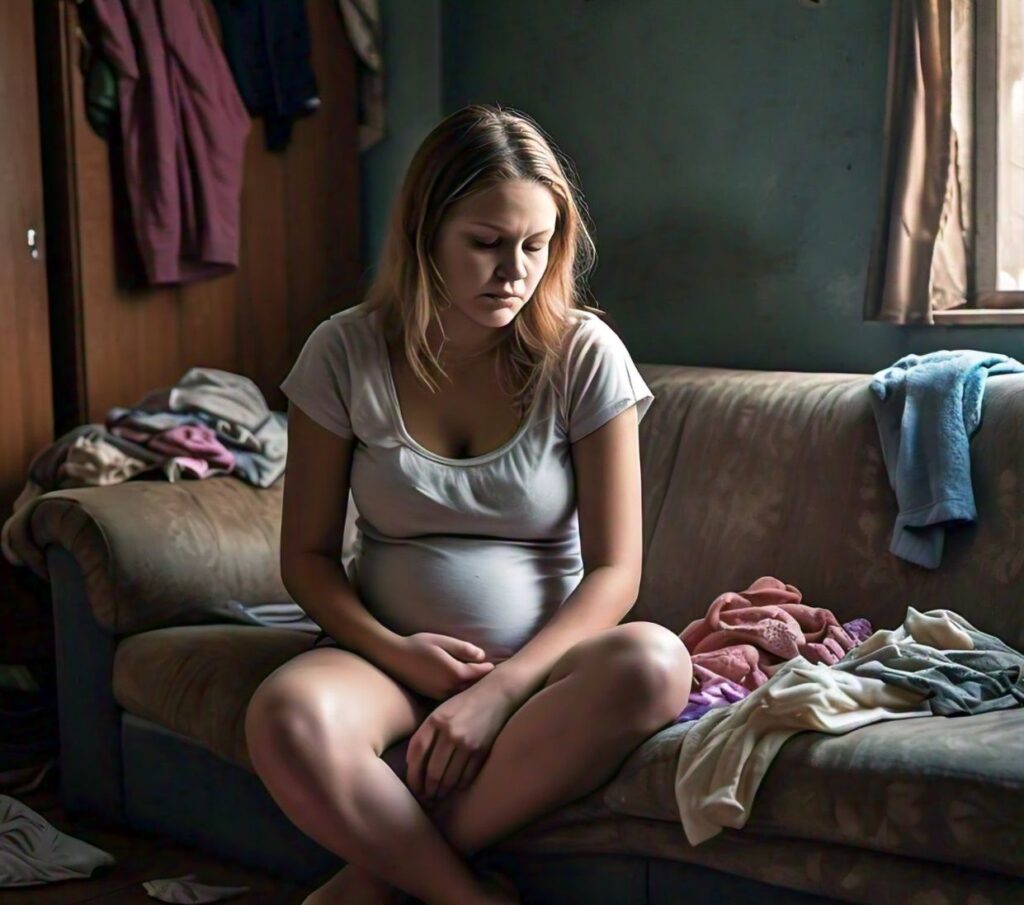
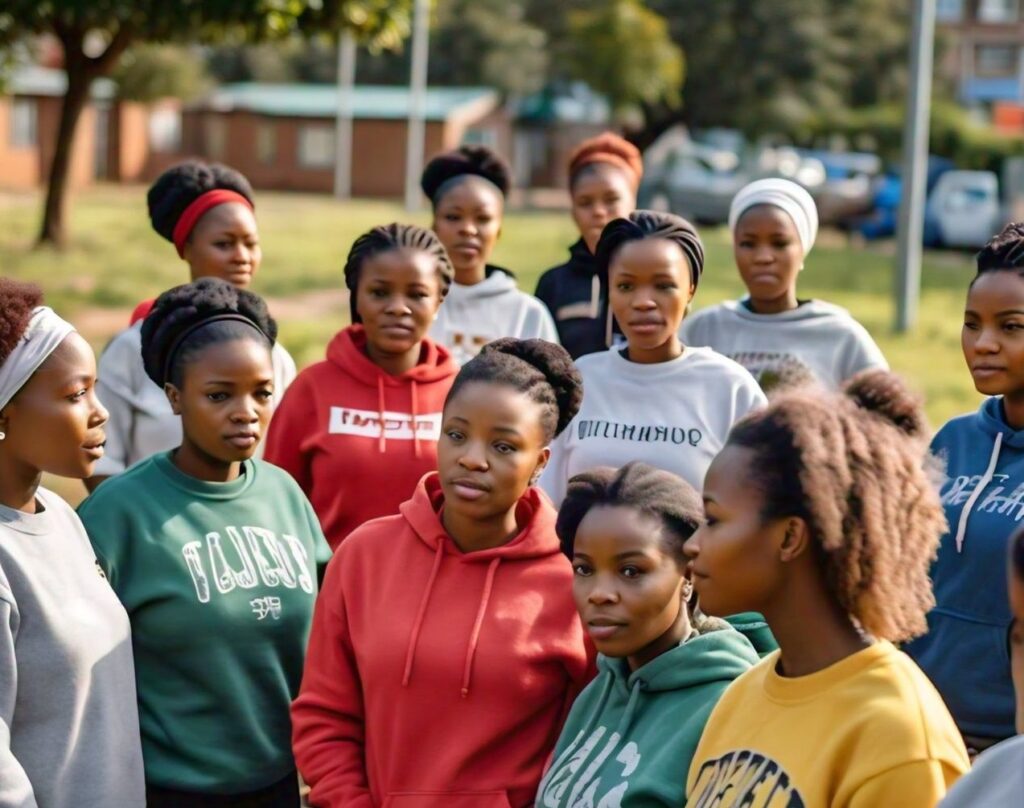
In Durban’s townships, where underprivileged communities face systemic challenges, adolescents often lack access to comprehensive sexual and reproductive health and rights (SRHR) services. These gaps are exacerbated by poverty, cultural taboos, and limited educational resources. As a result, young people are more vulnerable to early pregnancies, sexually transmitted infections (STIs), and gender-based violence (GBV).
This case study examines the unique challenges faced by adolescents in these areas and identifies strategies to address their SRHR needs effectively.
Challenges Faced by Adolescents in Durban’s Townships
- Limited Access to SRHR Services
Healthcare facilities in township areas often lack adequate resources to cater to adolescents. Many clinics are understaffed, leading to long wait times, and are ill-equipped to provide youth-friendly services. Adolescents report feeling judged or dismissed when seeking SRHR care, deterring them from accessing essential services. - Stigma and Cultural Taboos
In many township communities, discussing topics like contraception, menstruation, and sexual health is taboo. This cultural silence leaves adolescents without reliable information about their bodies and health, fostering myths and misconceptions. - Inadequate Sexuality Education
School-based sexuality education is often inconsistent or absent in township schools. Where it exists, it may focus narrowly on abstinence rather than equipping students with comprehensive, age-appropriate knowledge about relationships, consent, and contraception. - Economic Barriers
Economic challenges force many adolescents to prioritize immediate survival needs over health services. For young women, this often results in transactional relationships, increasing their risk of unplanned pregnancies and STIs. - High Rates of Gender-Based Violence
Adolescents, particularly young women, face high levels of GBV in township settings. This contributes to physical and emotional trauma, as well as unintended pregnancies and HIV infections.
Voices from the Community
Sihle, 16:
“I didn’t know where to go for help when I thought I was pregnant. I was too scared to tell my family, and at the clinic, I felt judged.”
Lungile, 18:
“In our school, we never talked about contraception or how to protect ourselves. We just got told not to have sex. But how does that help when we already have so many questions?”
Potential Solutions: Pathways to Addressing SRHR Gaps
- Establishing Youth-Friendly Clinics
Investing in clinics that are specifically designed to cater to adolescents, with trained staff who provide nonjudgmental care, can make SRHR services more accessible and appealing to young people. - Comprehensive Sexuality Education
Introducing age-appropriate, culturally sensitive, and gender-inclusive education in schools can empower adolescents with knowledge about their rights, bodies, and relationships. - Community Engagement and Advocacy
Collaborating with local leaders, parents, and educators to break the stigma surrounding SRHR topics can create a more supportive environment for adolescents to seek help. - Peer Education Programs
Training young people as peer educators allows adolescents to receive SRHR information from individuals they trust and relate to, fostering open dialogue and informed decision-making. - Accessible Contraception and Services
Providing free or subsidized contraceptives and menstrual products can alleviate economic barriers, ensuring young people have the tools they need to make healthy choices.
Conclusion: Building a Healthier Future
Addressing the SRHR needs of adolescents in Durban’s townships requires a collaborative, community-focused approach. By investing in education, healthcare infrastructure, and stigma reduction, we can empower young people to make informed decisions about their sexual and reproductive health, leading to healthier and more equitable futures.
For resources and support, visit organizations like loveLife and the South African Department of Health.