Teenage pregnancy remains a significant challenge in Durban, South Africa, particularly in underprivileged communities. Adolescents in the region face numerous socioeconomic, cultural, and systemic challenges that contribute to early pregnancies. These pregnancies often disrupt the lives of young girls, perpetuating cycles of poverty and limiting their access to education and economic opportunities.
This article examines the root causes of adolescent pregnancy, its consequences, and the innovative community-led programs making a difference.
Causes of Adolescent Pregnancy in Durban
- Limited Sexual Education
Many adolescents lack access to comprehensive sexual and reproductive health education. Schools in Durban often fail to provide students with age-appropriate, factual information about contraception, safe sex practices, and the consequences of unprotected intercourse. - Cultural and Social Norms
Cultural taboos surrounding discussions of sexuality leave many teenagers uninformed about their sexual health. In some communities, early motherhood is normalized, and the stigma surrounding contraception discourages its use. - Poverty and Economic Pressures
Economic hardships lead some adolescents to engage in transactional relationships or seek financial support from older partners, increasing the likelihood of unplanned pregnancies. - Gender-Based Violence (GBV)
High rates of GBV in Durban contribute to unintended pregnancies among adolescent girls. A lack of empowerment and agency often leaves them unable to negotiate safe sex or resist coercion. - Peer Pressure and Early Sexual Debut
Adolescents frequently face peer pressure to engage in sexual activity. Without the necessary education or access to contraception, this often results in early pregnancies.
Consequences of Adolescent Pregnancy
- Disruption of Education
Pregnant adolescents often drop out of school, limiting their opportunities for higher education and stable employment. This creates a cycle of poverty and dependence. - Health Risks
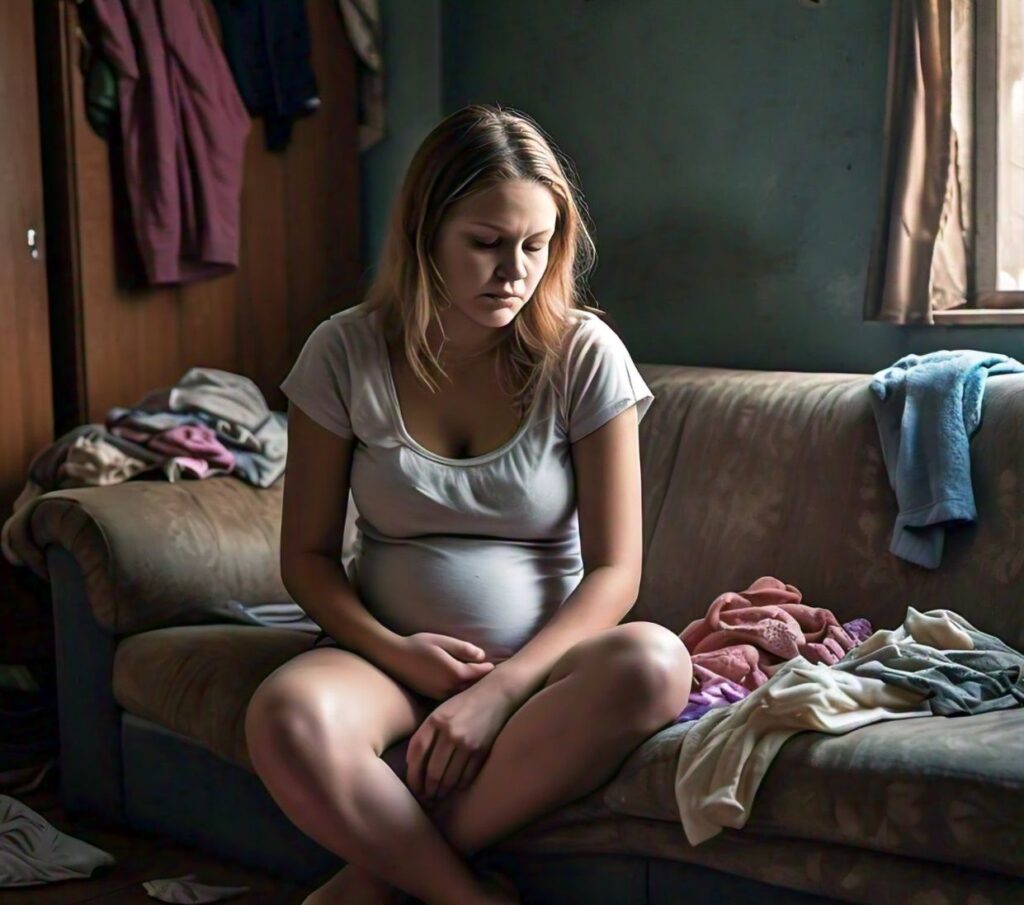
Teen mothers face higher risks of complications during pregnancy and childbirth due to their young age and lack of access to proper healthcare. - Social Stigma and Isolation
Teen mothers often experience judgment and ostracism from their families and communities, leading to emotional and psychological stress. - Economic Hardship
Early motherhood can strain already limited family resources, increasing financial pressures on young mothers and their families.
Community-Led Interventions
- Youth-Friendly Health Services
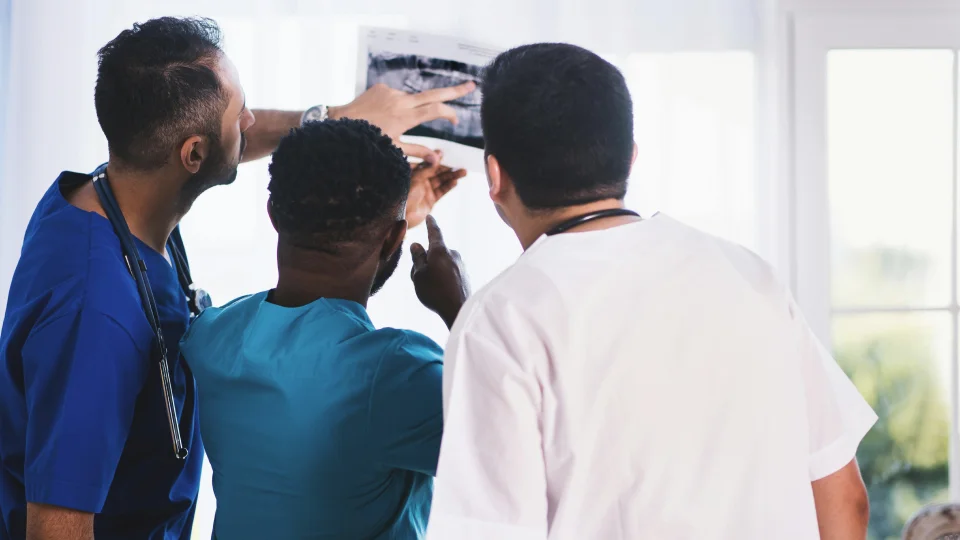
Clinics in Durban are increasingly adopting youth-friendly approaches, providing contraception, counseling, and antenatal care to adolescents in a safe and nonjudgmental environment. - Peer Education Programs
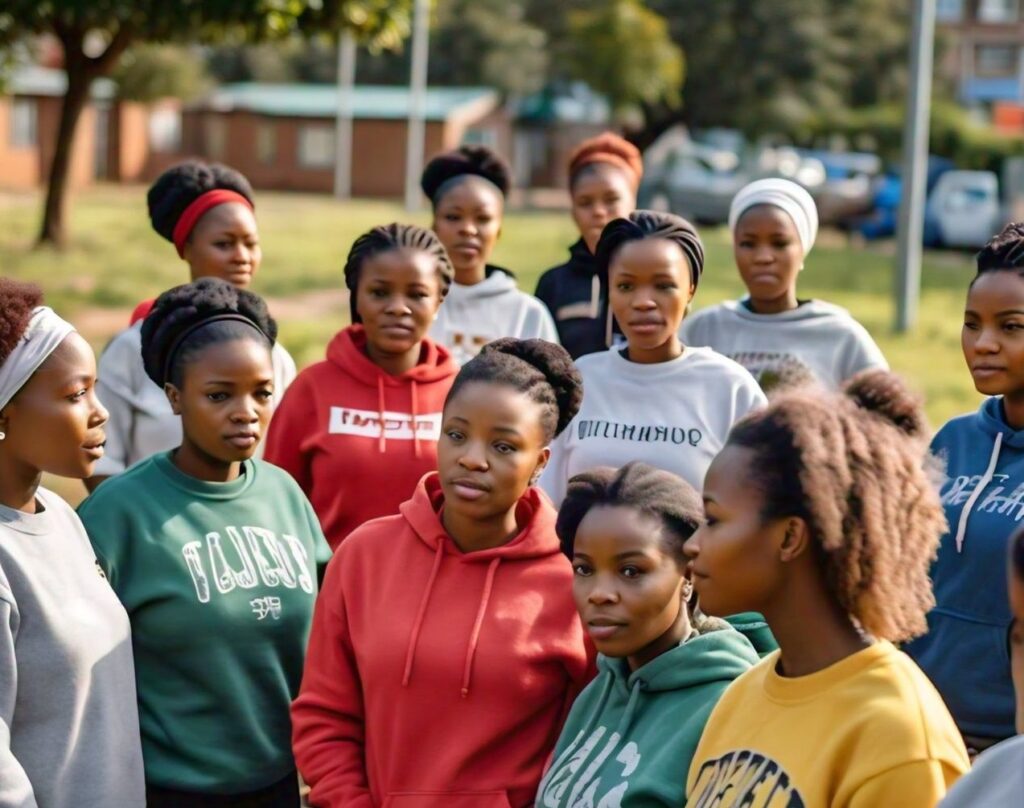
Organizations like loveLife train young people to serve as peer educators, spreading awareness about sexual and reproductive health in schools and communities. - Comprehensive Sexuality Education
Local NGOs collaborate with schools to deliver tailored programs that equip students with knowledge about safe sex, contraception, and the importance of delaying pregnancy. - Support for Teen Mothers
Community initiatives provide teen mothers with support networks, childcare services, and opportunities to continue their education, empowering them to rebuild their lives. - Engaging Community Leaders
Faith-based organizations and traditional leaders are partnering with health initiatives to challenge cultural norms that perpetuate early pregnancies and promote positive behavior change.
Conclusion: A Path to Empowerment
Adolescent pregnancy in Durban is a multifaceted challenge requiring holistic, community-driven solutions. By addressing the root causes, empowering young girls with education and resources, and fostering supportive communities, Durban can reduce teenage pregnancies and create opportunities for brighter futures.
For more information and support, visit the South African Department of Health or local initiatives like Maternal, Adolescent, and Child Health Systems (MatCH).